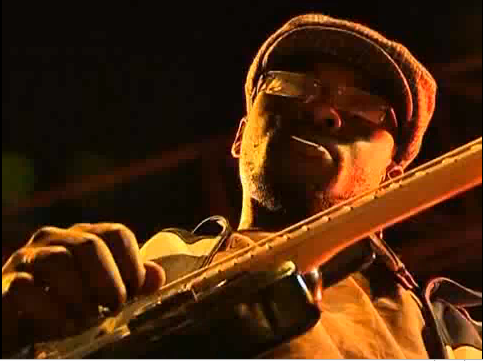
As we get ready to fly out to Ghana to meet with local music studios, it is very inspiring to listen to Baaba Maal singing in Kirina, Mali. He’s there with the Playing For Change foundation, who have started building music schools in Africa. In their own words:
“The Playing For Change Foundation is building a new music school in the Village of Kirina, Mali. Kirina is a village of musicians, some of whom can trace their musical ancestry back over 75 generations! In this very special episode West African music legend Baaba Maal and friends perform for the village elders in honor of the new “Playing For Life” music school that is just beginning construction.”
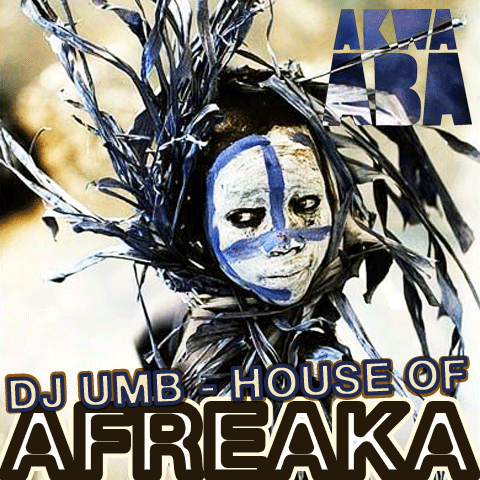
So fast forward, we’re about to release a great kwaito / kwassa / house album by Botswana’s Skeat, and we thought that was a fitting excuse to ask Umb to do a quick recap of the HOTTT sounds gravitating around house and Africa…
A few words from Umb:
Highlights: “Some of the African house tracks that have been constants in my sets for several years but which I have not heard many other people play and so I’d like to keep it that way..lol… The stuff that DJ Gregory is doing with Club Kuduro is really interesting me and it’s possibly the most accessible form of Kuduro for the clubs, even more accessible than what Buraka did!”
“The mix is not all strictly house, there’s elements of Barefoot in their too represented by a great new artist I’ve discovered called SiQ Nature who is a guy living in the Cook Islands, a more detailed feature on him coming to Gen Bass soon!”
“Personally, for me, I think my favoutite bit of the mix is when I blend Mokoomba messe messe by Dj Gregor Salto over a Kuduro beat! I’m not a laptop DJ and so all mixing is done on Pioneer CDJ’s and this mix is another one take/first cut cause I HATE repeating mixes and so a lil’ rough around the edges like most of my mixes!”
Good lookin’ out Mr Umb!!!!! Mix had some mastering fine-tuning courtesy of Mr Peter Pozorek, one of Umb’s usual partners in crime…!
My name is Catherine Barnes, and I’ll be contributing a series of articles to this blog on Angolan semba and Brazilian samba. I’m a percussionist and armchair ethnomusicologist fascinated by all rhythms African and of the African diaspora. I recently returned from studying samba in Rio de Janeiro, which is also where I encountered Angolan semba music for the first time. I became interested in the similarities and differences in the two styles, and what better place to explore them than here at Akwaaba Music?
Angolan semba and Brazilian samba share a common ancestor: the massemba dance from central Angola. Known as umbigada, or “belly-bumping” in Portuguese, the dance is characterized by a hip thrust meant to mimic the act of procreation. (source)
Here’s a Brazilian umbigada group performing at the First Forum in Defense of Popular Traditions in Piracicaba, Brazil:
Now check out this recent video of couples dancing semba in Luanda, Angola. Notice the “belly-bumping” movements at 1:40.
Although samba is usually danced without a partner, samba da gafieira, or ballroom samba, has become very popular, especially in Rio de Janeiro. Seu Jorge even featured it in the video for his hit song “Carolina” :
Keep checking back for more information on the similarities and differences between Angolan semba and Brazilian samba!
Not sure why you would CHOOSE to make a youtube video non-embeddable… hopefully this won’t scare you away, and you’ll make the daring decision to click here and watch the video – you won’t regret it!
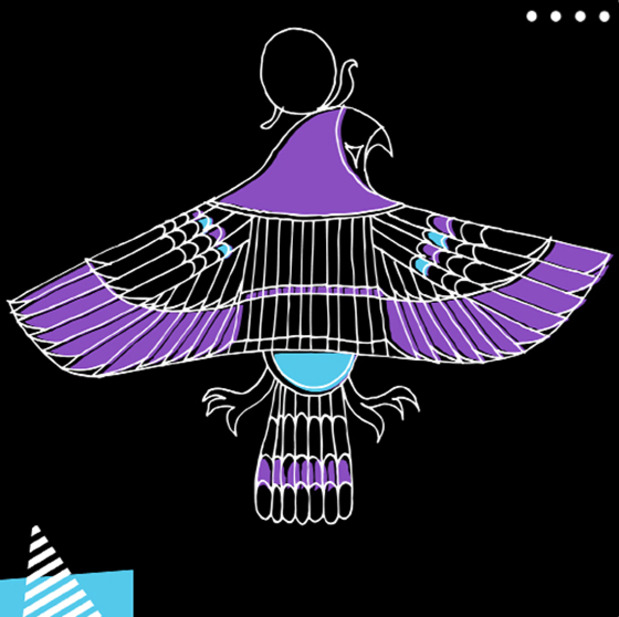
“The 12th installment of the FADER/Southern Comfort 7-inch series is an upbeat one, with MNDR’s electronic fizz pop and loud and grimy kuduro straight from Angola’s Os Mais Potentes. We’ve been a fan of MNDR’s hyper energy for a long time and have long loved the releases on Akwaaba Music, so to pair two exclusive tracks from the realest dance music makers from New York and Africa, respectively, together on one 7-inch is a pretty exciting and special thing. We’ve also got some wild Egyptian-inspired artwork by Keren Richter on the cover.”
You can download both tracks for free on the Fader’s website. And if you want a copy of the vinyl, leave a comment on their page!
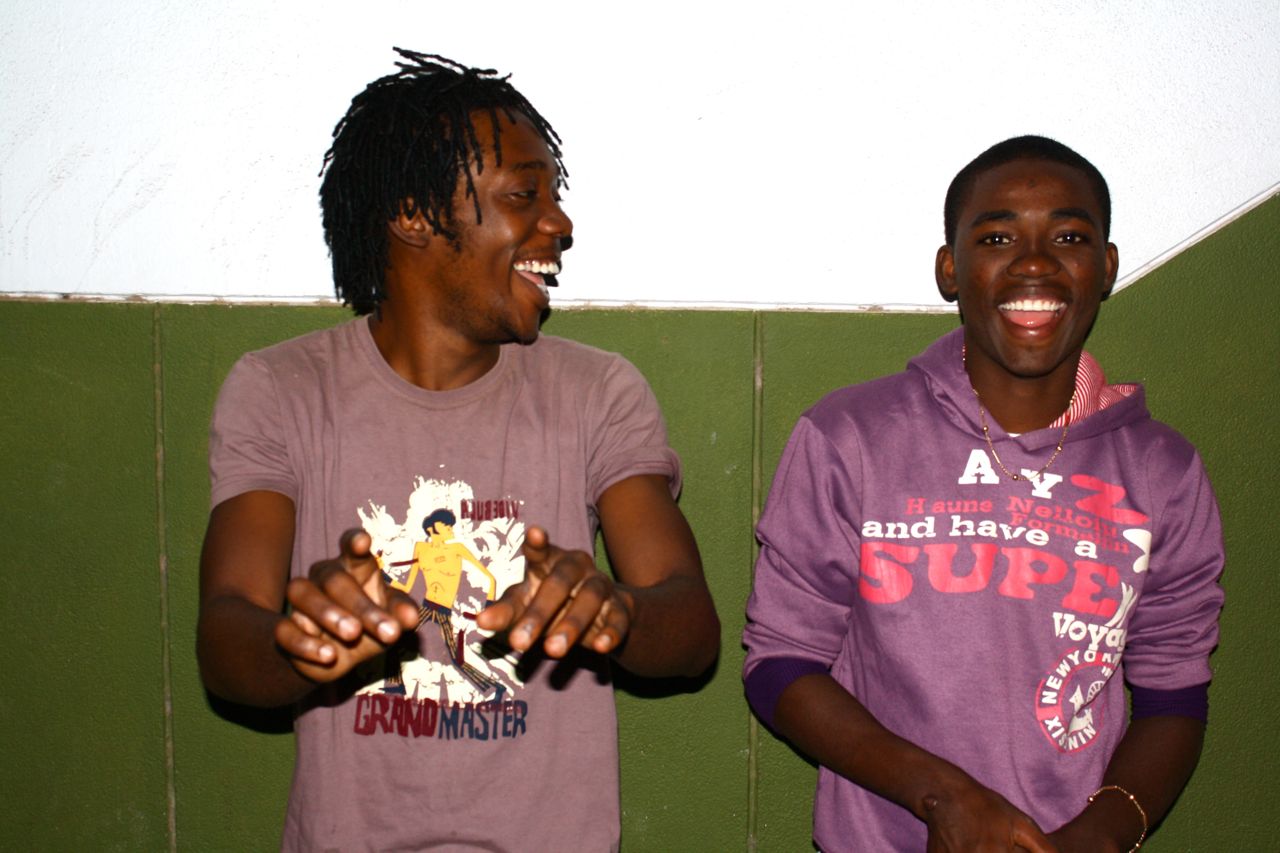
Moemdi runs Ruff Riddims, a music production studio located in Palapye, Botswana. Botswana’s national animal is the zebra, wicker baskets with geometric motifs are a national staple, and we think how Moemdi incorporated both into his studio design is PRETTY EFFIN COOL. Stay tuned for our first collaboration with Ruff Riddims, Skeat’s debut album Basimanyana Mamela Meropa.
As for the studio… Moemdi wanted to make sure we thank John Sayers and Glenn Stanton who helped him conceive the studio.